Geometric Decorative Design Pattern: A Creative Toolkit
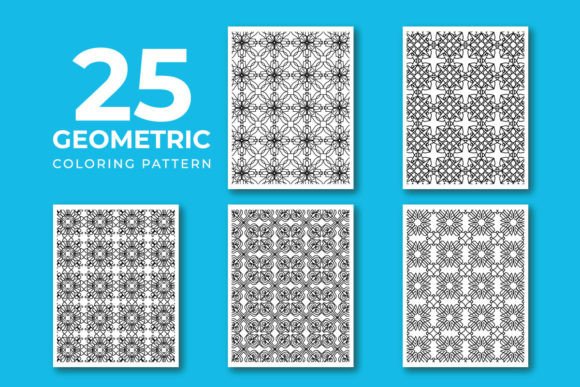
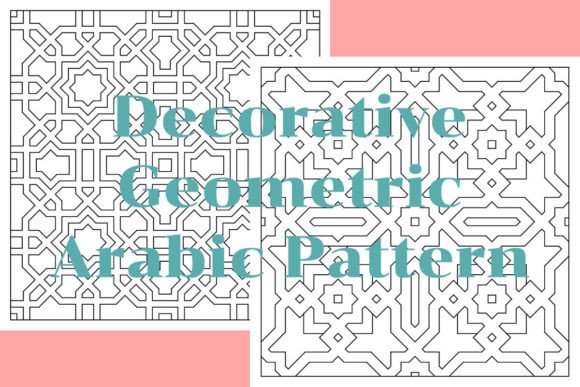
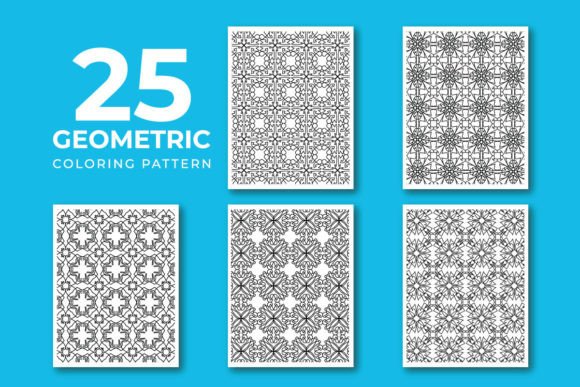
When a design project needs a visual anchor that communicates precision and modern appeal, a strong geometric pattern often does the heavy lifting. This collection of geometric decorative design pattern pages offers exactly that—a versatile set of high-resolution assets built for creators who need both quality and flexibility. The patterns themselves feature clean lines, balanced symmetry, and a rhythmic repetition that feels both structured and artistic. They carry a personality that’s contemporary and sophisticated, avoiding clutter while delivering visual interest. Think of them as the modern typography of the pattern world: they establish order, create focal points, and add a layer of professional polish to any project they touch.
Where These Patterns Shine: Practical Applications
The real value of a design asset lies in its application. These geometric patterns aren’t just for coloring books, though they excel there. Their true strength is in their adaptability across a wide spectrum of creative work. For entrepreneurs and small business owners developing a brand identity, these patterns can serve as subtle background textures for business cards, letterheads, or website banners. They add depth without competing with your logo design or key messaging. Content creators and bloggers can use them to create visually consistent social media graphics, podcast covers, or digital product mockups. The seamless nature means they tile perfectly, making them ideal for packaging design or all-over print products like tote bags and phone cases.
For publishers and authors, the applications are equally compelling. These patterns can transform a book cover design, providing a striking backdrop that sets the tone—whether it’s a mystery, a sci-fi novel, or a self-help guide. The high-resolution files ensure the design looks crisp even at large print sizes. Marketers can leverage them in campaign materials, from brochures to digital ads, where a clean, geometric aesthetic helps convey a message of innovation and reliability. Even for personal projects, like custom stationery or home decor items, these patterns offer a professional finish that elevates the final product.
Influencing Perception and Engagement
A pattern does more than fill space; it guides the viewer’s eye and shapes their perception. The structured, repeating nature of these geometric designs naturally creates a strong visual hierarchy. They can frame key information, lead the viewer through a layout, or provide a calm, organized background that lets foreground elements—like text or a central image—stand out. This contributes directly to readability and user engagement. A well-chosen pattern feels intentional and thoughtful, which in turn makes a brand or project appear more credible and trustworthy.
Consistency is another major benefit. Using a cohesive geometric decorative design pattern across multiple touchpoints—your website, your social media graphics, your product packaging—builds instant recognition. It becomes a visual shorthand for your brand’s style. This isn’t about being rigid; it’s about creating a flexible design system where these patterns act as a unifying element. The result is a more professional and polished brand identity that audiences can easily identify and remember.
Making the Right Choice: A Practical Guide
Selecting the right pattern for your project involves a few key considerations. First, assess the mood you want to convey. These geometric patterns range from bold and dynamic to subtle and refined. Match the pattern’s energy to your project’s tone. A financial services brochure might call for a different geometric style than a boutique fitness studio’s menu.
Next, think about scale and context. The 8.5 x 11 dimensions make these files perfect for standard print projects, but they can be scaled or cropped for digital use. Always test how a pattern looks at the size it will be used. Does it create too much visual noise when small? Does it lose its impact when large? The included high-resolution JPG, PNG, and Ai files give you the flexibility to edit and adjust as needed.
Font pairing is a critical step often overlooked when working with patterns. If your pattern will share space with typography, ensure they complement each other. A busy, intricate geometric pattern might work best with a clean sans serif font, allowing the text to remain legible. A simpler, more open pattern could pair nicely with a serif font or even a subtle script font for contrast. The goal is harmony, not competition. Always test your combinations in the actual context where they’ll be used—on a mockup of your book cover, a draft of your website, or a sample of your product packaging.
Finally, understand the licensing. This bundle is designed for commercial use, which is essential for anyone creating products for sale or marketing materials for a business. The included Ai files are a particular advantage for designers, offering full editability to change colors, modify shapes, or integrate the patterns into larger compositions. This level of control transforms these patterns from static images into dynamic design assets.
Beyond the Bundle: Integrating Patterns into Your Workflow
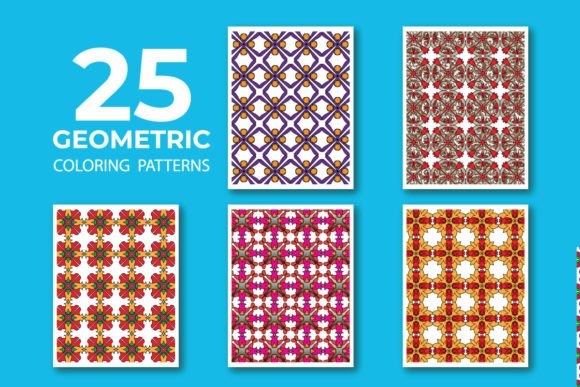
Think of this collection as a starting point. The real magic happens when you start integrating these geometric patterns into your creative process. Use them as a foundation for your color palette. Pull colors from your brand guidelines and apply them to the pattern files to create a custom version that’s uniquely yours. Layer them with photographs or illustrations for complex, multi-textured designs. Use them as masks or clipping paths for text effects in your editorial design projects.
The key is experimentation. Don’t be afraid to try a pattern in an unexpected context. A geometric design meant for a coloring book page might become the perfect background for a tech startup’s Instagram story. The high-quality lines and seamless tiling ensure that no matter how you use them, the result will look polished and professional. By treating these patterns as versatile tools rather than fixed images, you unlock their full potential to enhance your projects, strengthen your brand, and engage your audience in a visually meaningful way.